
How Gucci and other high-end fashion brands exact racist references in their products
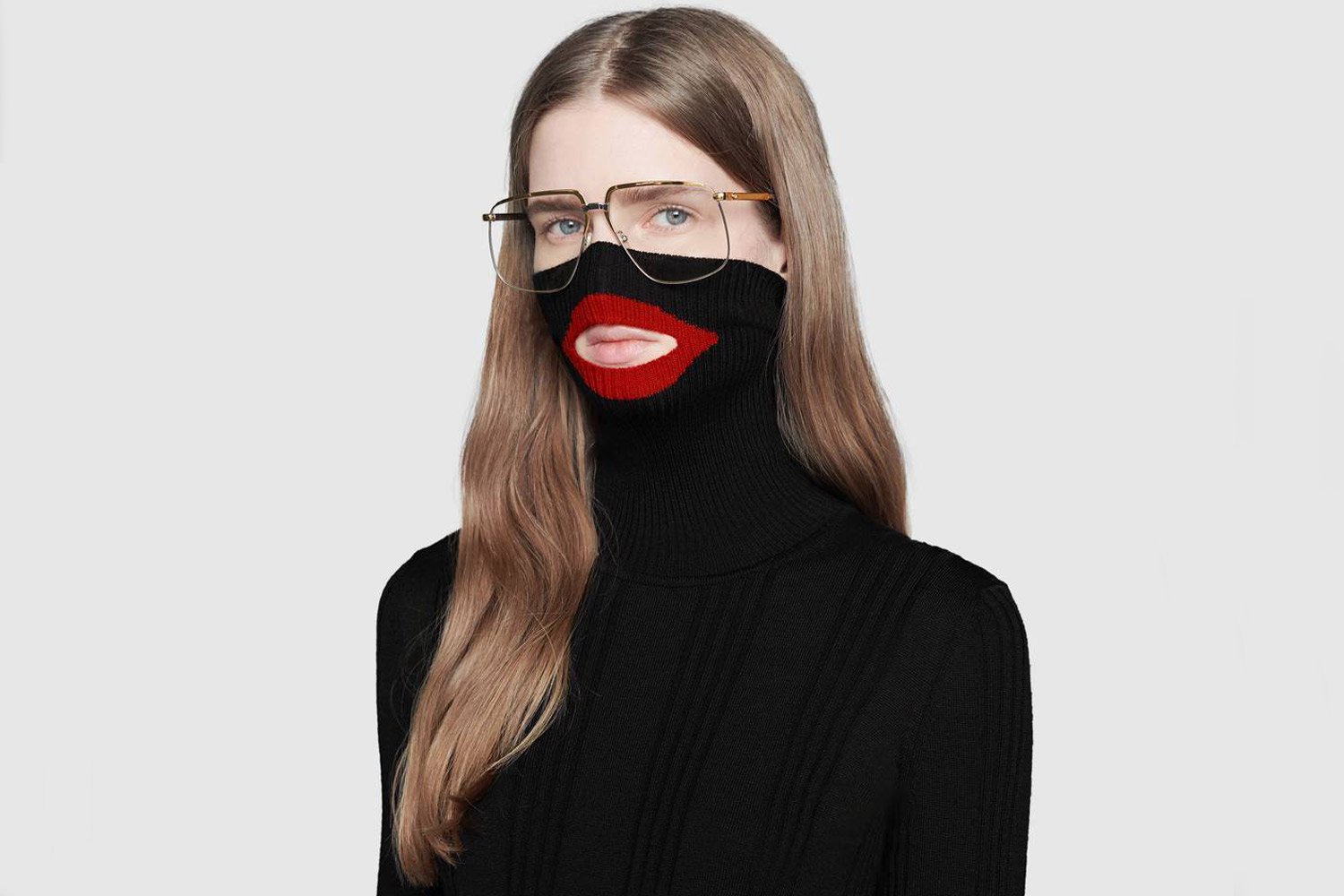
On February 2019, Gucci, a high-end fashion house, released sweaters that resembled blackface, initiating reactions from all over social media and the news. Celebrities, influencers, and individuals from around the world did not stay quiet about Gucci’s insensitive design. Beyond poor brand marketing, Gucci’s error shed more light on cultural and social issues concerning racism in fashion. As people are using social media and the Web in general to call out injustices, the once isolated and exclusive society of fashion designers, influencers, and fanatics are being exposed to the public.
The origin and history of blackface is reflective of high-end fashion brands’ perspective of their reputation in society and ignorance of social and cultural issues. Robin Givhan, a Pulitzer-prize winner for her articles on culture and fashion, wrote in depth about the impact of Gucci’s blackface scandal and analyzed the meanings and intentions behind it.
A writer in The Washington Post, Givhan stated in an article deconstructing the symbolism of blackface,
“Blackface is an essence, a kind of fashion – one rooted in the dark, arrogant, insecurity of white supremacy, one inspired by this country’s original sin – that keeps evolving year after year until each iteration is just a little bit different from the previous one.”
According to Givhan, blackface is more than a costume and more than a dark part of America’s history, it is a symbolic representation of the racial tensions and inequalities African Americans still face today. When designers imitate past symbols which represented suppression and the mocking of black physical traits, the public is bound to react negatively. Brands like Gucci hold a large position in the world of high-end fashion. To a degree, Gucci’s status gives them not only the power to reach a broad audience but the responsibility to influence the present and future.
The release of Gucci’s newest line calls upon controversy and analysis. In order to comprehend the racial controversy, one must see behind the connotation of black face and the correlation between it and fashion. Jim Crow and black face are parts of America’s dark history which serve as reminders of racism and slavery. Mocking and exaggerating black features, black face was meant to entertain white audiences while demeaning African Americans. Some of the most impactful and detrimental legacies blackface left on American society was the disincentivizing racism and perpetuating of stereotypes which concur to the fact that the blackface sweater symbolizes race issues America still faces.
Fast forward to the 21st century, racial tensions persist while African-American culture is embraced by the American public through hip-hop music and fashion itself. The hypocrisy evident within Americans’ social construct is the base of the criticism against fashion brands like Gucci. In a New York Post article, “Why Racist Imagery Won’t Go Out of Style in the Fashion World,” the writer, Raquel Laneri points out the most similar and recent fashion scandals involving racism. From Prada to Burberry, the list of high-end and mainstream designers seem to be the leaders of controversy and interrogation. Laneri also discusses that when major fashion brands make these errors in design, they are going against their own cause and marketing, because black culture already embraces luxury brands.
Why do so many people know about these names? One of the most effective PR and marketing breaks fashion brands could get is through hip-hop culture. By breaking through that niche of rappers and devoted fans, black celebrities and artists bring the name of brands into every day life and popular culture. Gucci Mane, Jay-Z, and Kanye West are examples of relevant and well-known rappers that connect street hip-hop with expensive brands through their lyrics and style.
In Laneri’s article, Dapper Dan, an iconic American fashion designer in Harlem, comments about the blackface sweater,
“It’s very embedded in African-American street culture. I think that’s why it felt like such a slap in the face – almost like they don’t respect a customer base who has been giving the free PR for years and made them relevant.”
On the other hand, Laneri includes other arguments for why culturally insensitive designs still continue to break through the market in today’s age. One argument defends that the marketing flaw was led by a poor marketing team who were afraid to question the creative directors’ executive design decisions. Another argument which dives deeper into the goals and purposes of fashion branding involves modern sensationalism and popular culture. In this theory, critics believe that the branding is not an error rather a purposeful marketing tactic to incite reaction and provoke controversy. According to some fashion critics that Laneri addresses, marketing teams are aware of two types of consumers: mass consumers that rarely buy luxury brands and exclusive, small-knit consumers that make up of politically conservative shoppers. In the perspective of a brand like Gucci, creating products that offend and drive more attention give more free publicity.
According to a Complex article by Aria Hughes on the immediate impact of Gucci’s blackface sweater on its sales, it was concluded through analysis of data, Gucci’s sales were unaffected. Hughes went to interview some people selling their Gucci products online, and one black interviewer went on to say,
“I’m selling it because I wore it already,” said Cantave. “And I’m not going to stop wearing it because black people decide when they want to boycott something. It’s just an excuse to not pay for something expensive. I personally feel like they weren’t trying to be racist, honestly.”
The customer, Cantave, is representative of a lot of Gucci’s consumers, because they could care less about the brand’s scandal, pushing it aside as a rash error in marketing. Cantave continues to state,
“One of their creative guys is Dapper Dan and I heard they had a meeting and they apologized, so alright, I’m over it,” said Cantave. “When a person comes out of jail they want another chance, so why can’t Gucci get another chance?”
Breaking through the outer walls of fashion which only showcase design, art, and people, Gucci’s blackface scandal opens up another side of the fashion industry. Gucci has responded to the scandal and media reactions by formally apologizing in their press website and social media. While some people think that Gucci can never fail as a fashion brand even after a worse scandal than the blackface sweater one, their product left an unforgettable impression on how racism is intertwined in the culture of high-end fashion.
For more links and information on how Gucci’s blackface sweater impacted sales:
https://www.complex.com/style/2019/03/gucci-controversy-did-anyone-boycott

 Racism in Fashion